01 Oct 2026
Highlights:
For years, the aviation industry's focus was clear: newer aircraft meant greater fuel efficiency, lower operating costs, and improved passenger comfort. Today, however, the equation has changed.
Record aircraft order backlogs, supply chain disruptions, engine maintenance bottlenecks, and rising lease rates are prompting airlines to extract greater value from mid-life aircraft rather than waiting years for factory-fresh deliveries.
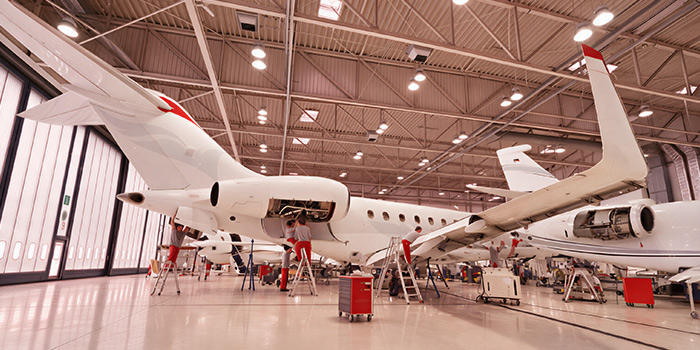
Aircraft between 10 and 20 years old are no longer automatically viewed as approaching retirement. Instead, many airlines and lessors are investing in engine overhauls, cabin refurbishment, connectivity, avionics upgrades and disciplined maintenance programs to keep these assets economically productive for longer.
Mid-life aircraft are becoming strategic capacity—not temporary capacity.
Why Mid-Life Aircraft Are Back in Demand
The global shortage of new aircraft has fundamentally altered fleet planning.
According to the International Air Transport Association (IATA), the commercial aircraft backlog has surpassed 17,000 aircraft, while deliveries remain well below historical expectations due to ongoing manufacturing and supply chain constraints. At current production rates, this represents an estimated 14-year waiting period for many new aircraft.
As a result, airlines are extending the operational life of existing fleets while lessors continue placing serviceable mid-life aircraft with operators seeking immediate capacity.
For many airlines, waiting is no longer an option.
Mid-Life Aircraft Offer Strong Value
Although newer aircraft typically deliver lower fuel burn, mid-life aircraft continue to provide compelling economics when properly maintained.
Advantages include:
- Lower acquisition or lease costs
- Immediate availability
- Proven operational reliability
- Established maintenance programs
- Flexible deployment across mature and emerging markets
For growing airlines, leasing or purchasing a well-maintained mid-life aircraft often provides faster capacity expansion than waiting several years for a factory delivery.
Refurbishment Creates Competitive Advantage
Passengers increasingly judge airlines by the onboard experience—not simply by the aircraft's age.
Many operators are extending aircraft life through cabin modernization programs that include:
- New seating and cabin layouts
- Modern LED lighting
- Refurbished galleys and lavatories
- Inflight connectivity and Wi-Fi
- USB and in-seat power
- Updated inflight entertainment
- Premium-cabin enhancements
- New branding, materials and interior finishes
- Accessibility and passenger-comfort improvements
A carefully refurbished cabin can significantly improve passenger perception while delaying the need for costly fleet replacement.
Rather than replacing the aircraft, airlines are renewing the passenger experience.
Engine Availability Is Now a Board-Level Issue
Perhaps the most critical factor in extending aircraft life is engine availability.
Today's maintenance environment remains heavily constrained.
IATA estimates that supply chain disruptions will cost airlines more than USD 11 billion, including approximately:
- USD 3.1 billion in additional maintenance costs
- USD 2.6 billion in excess engine leasing costs
- USD 4.2 billion in delayed fuel savings from operating older aircraft.
Longer shop visit times and limited spare engine availability mean airlines must carefully coordinate maintenance planning to maximize fleet utilization.
Consequently, proactive engine management has become just as important as fleet acquisition strategy.
Leasing Is Reshaping Fleet Strategy
Aircraft leasing has evolved far beyond a financing mechanism.
With delivery delays expected to persist for several years, airlines increasingly rely on leasing to maintain capacity while preserving financial flexibility.
According to IATA:
- Lease rates for many aircraft have increased significantly since 2019.
- Airlines are extending leases rather than returning aircraft.
- Demand for spare engines and engine leases continues to grow as maintenance turnaround times lengthen.
This environment has strengthened the market for well-maintained mid-life aircraft with complete technical records and strong maintenance histories.
Technical Due Diligence Matters More Than Ever
As aircraft remain in service longer, technical conditions become increasingly important.
Whether leasing, purchasing, or extending an aircraft's operational life, stakeholders must carefully evaluate:
- Maintenance history and current maintenance status
- Airworthiness Directive (AD) compliance
- Service Bulletin (SB) status
- Engine and APU condition
- Life-limited parts and remaining green time
- Landing gear maintenance
- Structural repairs and modifications
- Continuing Airworthiness Management (CAMO)
- Technical records completeness and traceability
- Upcoming maintenance events and cash exposure
- Lease-return conditions
- Residual value implications
Comprehensive technical due diligence helps reduce operational risk while protecting long-term assets value.
How AviaPro Supports Mid-Life Aircraft Programs
At AviaPro, we help airlines, lessors, investors, and aircraft owners maximize the value, reliability, and operational performance of mid-life aircraft throughout their lifecycle.
Our technical specialists provide independent advisory services, including:
- Aircraft technical due diligence
- Technical-record reviews and compliance audits
- Independent physical aircraft inspections
- Continuing Airworthiness Management (CAMO)
- Aircraft acceptance and delivery support
- Aircraft transitions and lease return management
- Refurbishment and modification-program support
- Maintenance planning and technical advisory
- Fleet management and asset optimization
- Technical-risk and maintenance-cost assessments
Whether acquiring a mid-life aircraft, extending lease agreements, preparing for redelivery, or evaluating refurbishment opportunities, AviaPro helps clients reduce technical risk, maintain regulatory compliance, and protect asset value while ensuring seamless operational transitions.
Looking Ahead
The future of fleet management is no longer defined solely by acquiring the newest aircraft. Instead, airlines are adopting a lifecycle approach that balances new deliveries with the strategic use of existing assets.
Long-term demand remains strong. Airbus forecasts annual passenger-traffic growth of 3.9% through 2045 and expects the global passenger fleet to grow from approximately 23,310 aircraft at the end of 2025 to 45,550 by 2045. Nearly half of the 42,060 new aircraft required during that period will be needed for replacement.
Airlines that combine thoughtful refurbishment strategies, disciplined maintenance planning, and rigorous technical oversight will be best positioned to maximize aircraft value while remaining agile in an evolving aviation market.
The question is no longer whether mid-life aircraft still have value.
The question is how effectively that value can be identified, protected, and transformed into operational performance.
Sources
- International Air Transport Association (IATA) – Aviation Supply Chain
- International Air Transport Association (IATA) – Optimizing Decisions Amid Aviation Supply Chain Turmoil
- International Air Transport Association (IATA) – Airline Profitability to Strengthen Slightly in 2025 Despite Headwinds
- Reuters – Aerospace's epic backlog upends business-as-usual (2026)
AviaPro Newsroom
+1 416-544-9969
info@aviaproconsulting.com

Editorial Contacts